How to remove mold after water damage in your home
Discover effective methods to remove mold after water damage in your home, tailored for Indiana residents facing this common issue.
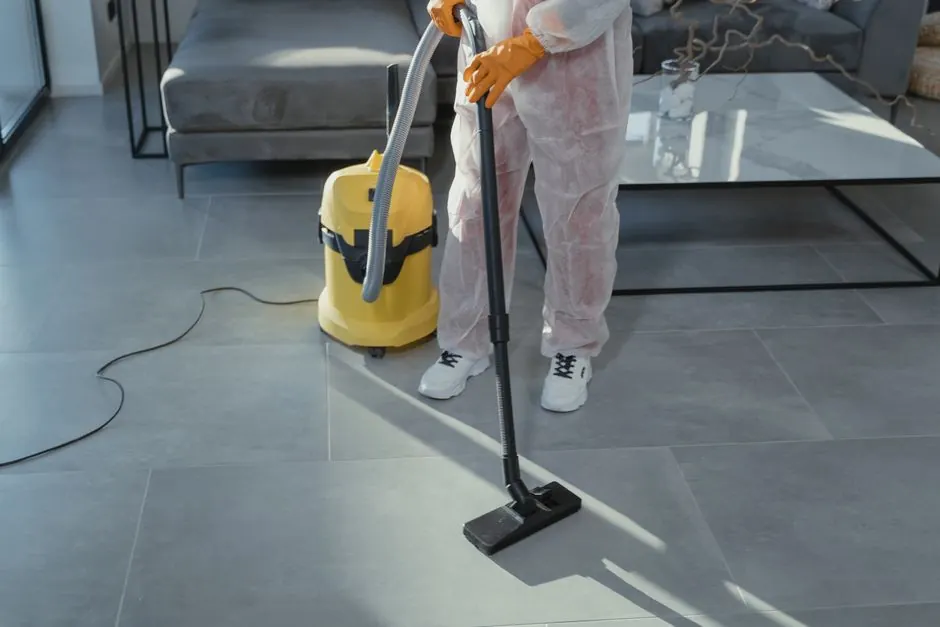
To effectively remove mold after water damage in your home, you must first address the source of moisture and then use appropriate cleaning methods. This process ensures that mold does not return and your home remains safe and healthy.
Mold removal after water damage is a critical process that prevents health risks and structural damage. In Indiana, where humidity levels can contribute to mold growth, understanding the steps to handle this issue is essential for homeowners.
What is mold removal after water damage?
Mold removal after water damage is the process of eliminating mold growth that occurs due to excessive moisture in a home. After a water damage incident, such as flooding or leaks, mold can develop within 24 to 48 hours, making prompt action necessary.
Steps to remove mold after water damage in Indiana
Removing mold effectively involves several key steps:
- Identify the source of moisture: Before beginning mold removal, determine and address the cause of the water damage, whether it's a leaky roof, burst pipes, or flooding.
- Ensure safety: Wear protective gear, including gloves, goggles, and a mask, to safeguard yourself from mold spores.
- Isolate the affected area: Seal off the area to prevent mold spores from spreading to other parts of your home.
- Remove contaminated materials: Dispose of any materials that cannot be cleaned, such as carpets, drywall, or insulation that are heavily infested with mold.
- Clean the area: Use a mixture of water and detergent or a commercial mold remover to scrub surfaces. For porous materials, consider using a specialized Mold Remediation in Indiana service.
- Dry the area: Use fans, dehumidifiers, and open windows to thoroughly dry the area, as moisture encourages mold growth.
How to prevent mold growth after water damage in Indiana
Preventing mold growth after water damage is crucial for maintaining a healthy living environment. Here are some effective strategies:
- Control humidity: Keep indoor humidity levels below 60% using dehumidifiers and air conditioners.
- Improve ventilation: Ensure proper airflow in your home by opening windows and using exhaust fans in kitchens and bathrooms.
- Regular inspections: Conduct routine checks for leaks, cracks, and other potential sources of moisture.
- Act quickly: Address any water damage immediately, whether from a leak, flooding, or condensation.
Common mistakes when removing mold in Indiana
Homeowners often make several mistakes during the mold removal process:
- Ignoring the moisture source: Failing to fix the underlying cause of water damage can lead to recurring mold issues.
- Using bleach: While bleach may kill surface mold, it doesn't penetrate porous materials and can lead to regrowth.
- Skipping protective gear: Not wearing protective equipment can expose you to harmful mold spores.
- Not isolating the area: Allowing mold spores to spread can contaminate other parts of your home.
When to call a professional
If you encounter significant mold growth, structural damage, or persistent moisture issues, it's time to call a professional. Aqua Pros Indiana specializes in water damage restoration in Indiana and can provide comprehensive mold remediation services to ensure your home is safe and healthy.
Frequently Asked Questions
What is the best way to remove mold after water damage? The best way to remove mold after water damage is to address the moisture source, wear protective gear, and use appropriate cleaning methods or hire a professional.
How can I prevent mold after water damage in Indiana? To prevent mold, control indoor humidity, improve ventilation, and act quickly on any water damage.
What are the signs of mold after water damage in Indiana? Signs of mold include a musty odor, visible mold growth, and water stains on walls or ceilings.